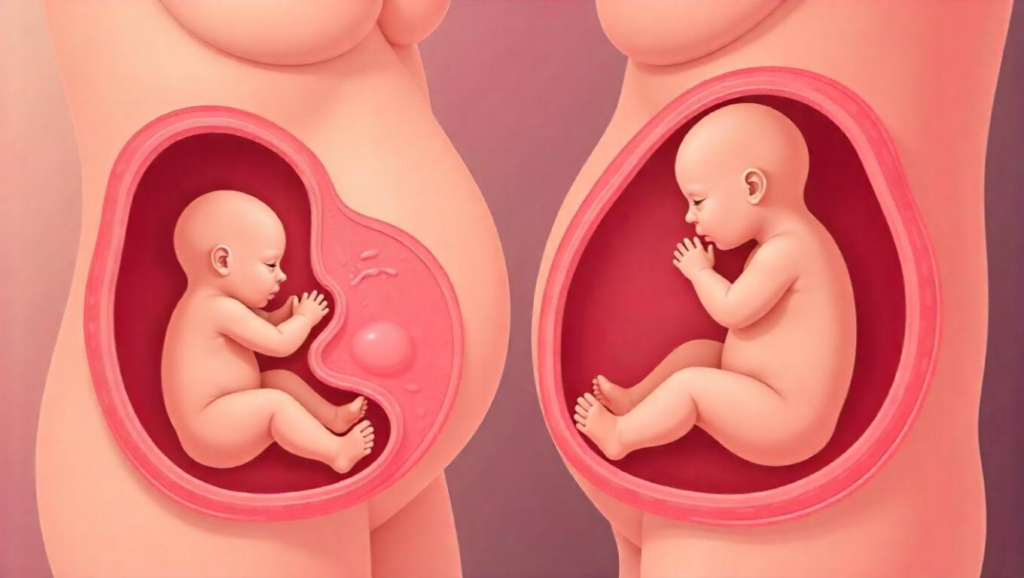
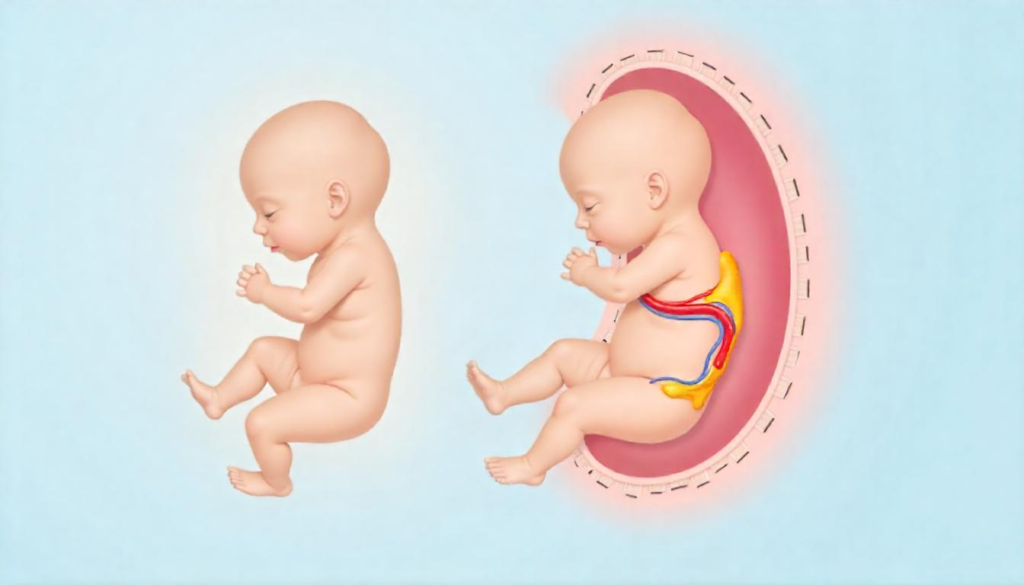
Intrauterine Growth Restriction (IUGR) is a condition where a fetus does not grow at the expected rate during pregnancy, making it smaller than normal for its gestational age. This can lead to complications at birth and sometimes long-term health issues.
Causes of IUGR
There are multiple factors that can contribute to IUGR, including:
Maternal Health Conditions – Chronic diseases such as high blood pressure, diabetes, heart disease, and infections can affect the baby’s growth by limiting blood supply and nutrients. Placental Issues – If the placenta is not functioning properly, the fetus may not receive enough oxygen and nutrients, leading to restricted growth. Umbilical Cord Problems – A restricted or underdeveloped umbilical cord can reduce the supply of essential nutrients. Lifestyle Factors – Smoking, alcohol consumption, and poor nutrition during pregnancy can also increase the risk of IUGR.
When is IUGR Diagnosed?
Doctors often detect IUGR after 20 weeks of pregnancy. During prenatal checkups, they measure the fundal height (the distance from the pubic bone to the top of the uterus). If it is smaller than expected for the stage of pregnancy, further tests such as ultrasounds and Doppler studies are performed to confirm the diagnosis.
Risks and Long-Term Effects
While many babies with IUGR grow normally after birth and catch up in size by age 3, some may face complications such as: ✅ Low birth weight ✅ Difficulty in breathing at birth ✅ Weak immune system ✅ Developmental delays ✅ Increased risk of chronic diseases later in life
Treatment & Management
Frequent Monitoring – Regular ultrasounds and Doppler scans help doctors assess fetal growth and blood flow. Steroid Medication – If an early delivery is needed, steroids can be given to help the baby’s lungs mature. Early Delivery – In severe cases, doctors may recommend inducing labor or performing a C-section to prevent complications.
Who is at Risk?
Women with high blood pressure, heart disease, diabetes, or other chronic conditions have a higher chance of developing IUGR. Early prenatal care and a healthy lifestyle can help reduce the risk and improve pregnancy outcomes.
Conclusion
IUGR is a serious condition that requires close medical attention. If you are pregnant and have any concerns about your baby’s growth, consult your doctor for proper diagnosis and care. Early detection and management can significantly improve outcomes for both mother and baby.